
Class first, gear second: the order that saves hours
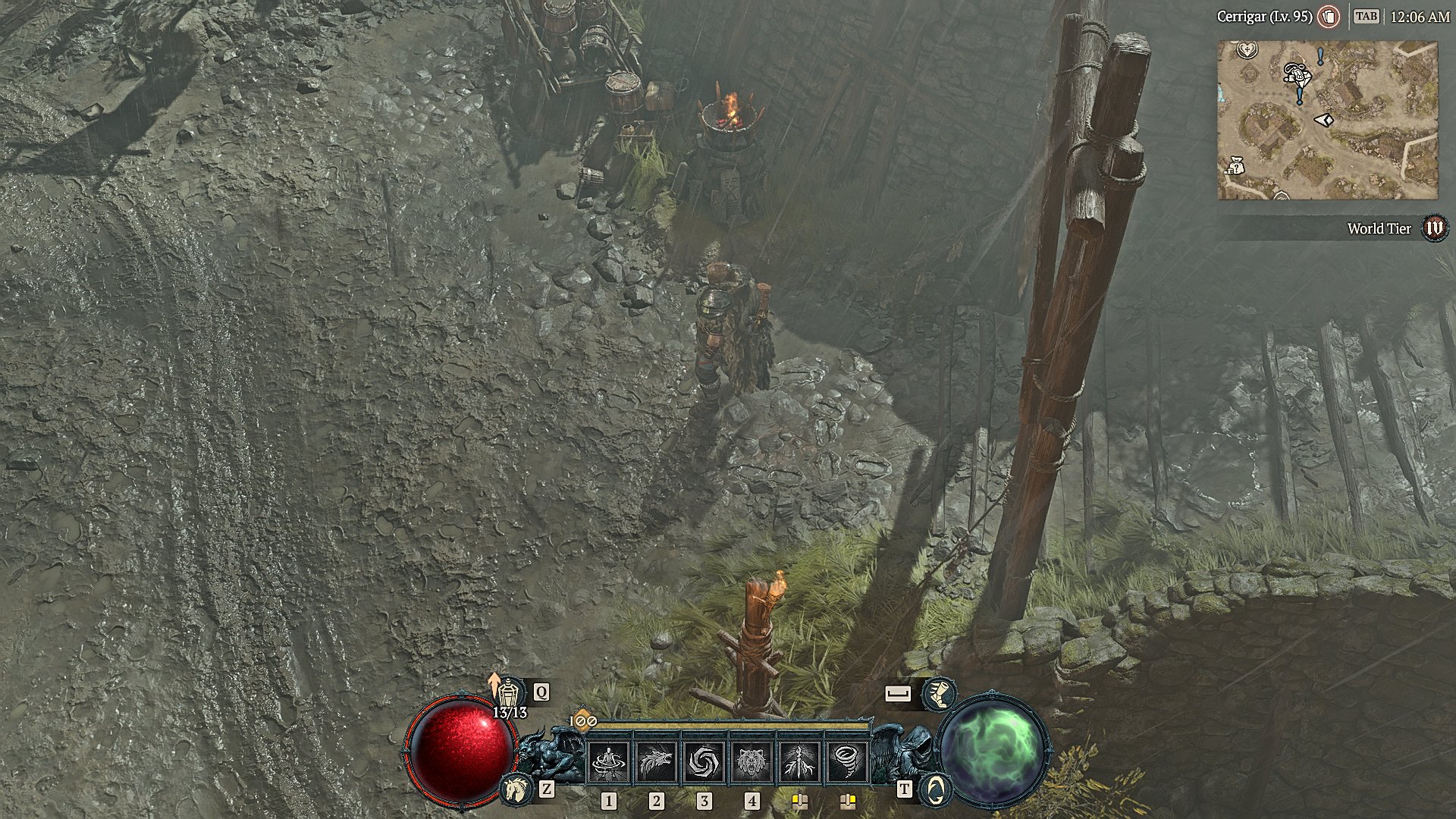
New Diablo 4 players often assume the loot is the game. In practice the order that works is class, then build, then gear. A well-chosen class and skill setup makes mediocre gear feel good, while great gear on a poorly matched build feels flat. Sanctuary has five classic roles to choose from, and picking the one whose playstyle you enjoy matters more than chasing whatever topped a tier list last week.
This guide compares the two big time sinks, understanding your build and grinding for gear, and explains where outside help fits. It stays general on purpose, because balance patches move numbers around every season.
Picking a class you will still enjoy at level 100
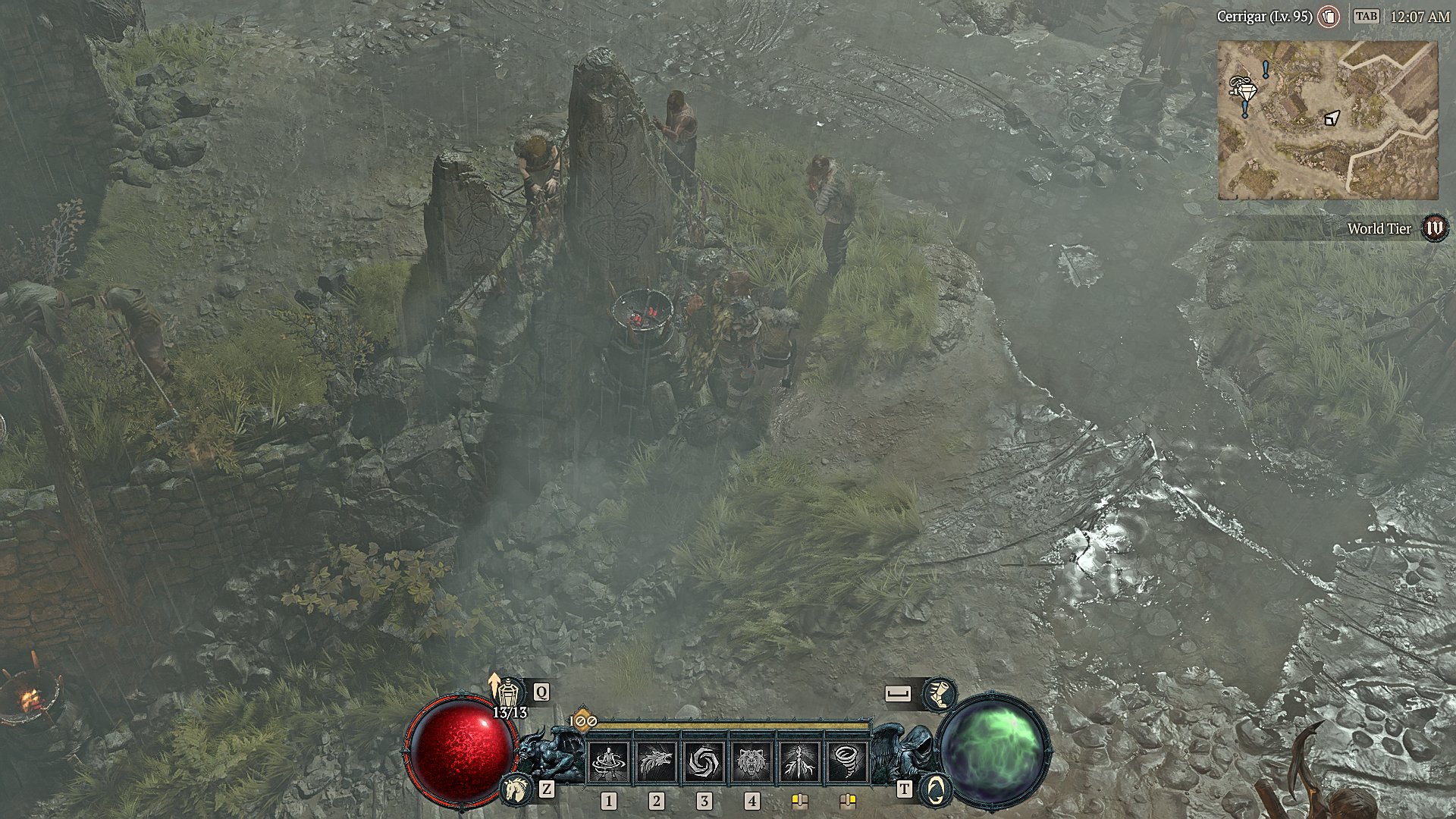
Barbarian, Druid, Necromancer, Rogue and Sorcerer each play very differently. Barbarians favour melee weapon swaps and heavy hits. Druids blend shapeshifting with storm and earth spells. Necromancers manage minions, corpses and curses. Rogues combine speed with combo points and poison or shadow imbues. Sorcerers lean on elemental spells, mana flow and crowd control.
Ask what you want your hands to do. If you like constant movement, a Rogue or a Barbarian with mobility skills will keep you busy. If you prefer planning, a Necromancer rewards setup. If you want to stay at range, a Sorcerer is the classic answer. Tier lists are a guide, not a rule, and most classes can clear Nightmare dungeons and push into Torment with a coherent build.
What a build actually is
A build is a set of skills, passive choices, Paragon allocations, gear and aspects that all point at one damage source. The skill tree gives you active skills and modifiers. Key passives and the capstone shape the playstyle. Legendary aspects then rewrite how individual skills behave, which is why a single aspect can turn an average skill into the centre of your whole setup.
The trap is mixing sources. A character with fire damage on the weapon, lightning in the skills and physical bonuses on the jewellery spreads its power thin. Choose a damage type, an attack style and a defensive plan, then make every slot support them.
The gear grind in plain terms
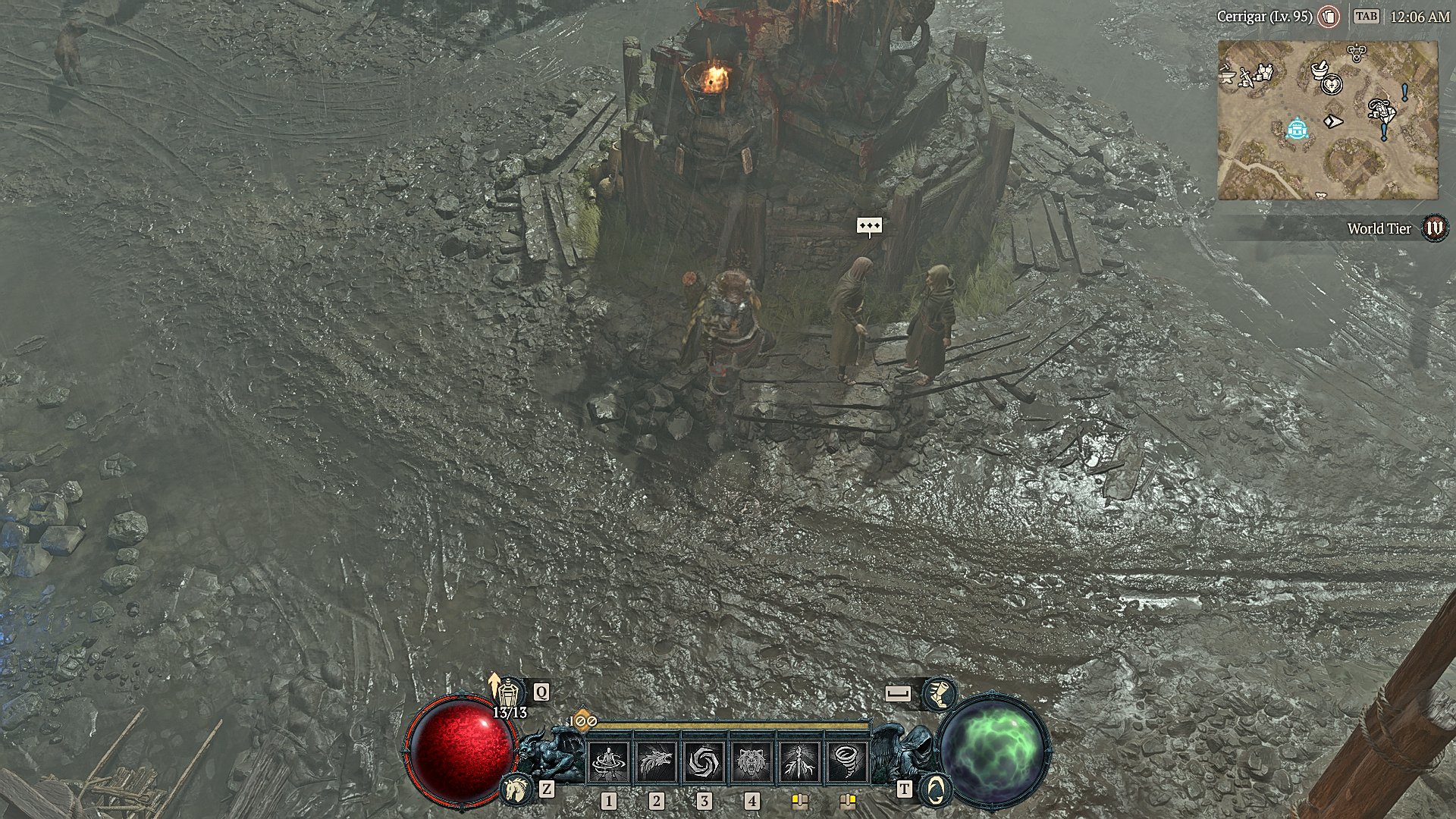
Gear in Diablo 4 comes from kills, chests, Helltide Mystery Chests, Nightmare dungeon rewards, bosses and the Pit. Every piece rolls affixes, and legendaries add an aspect. You then upgrade items at the blacksmith, masterwork them, and temper them for extra stat lines.
The difficulty is variance. You may find the right base item with wrong rolls, or perfect rolls on the wrong slot. That is why the grind feels endless to some players: the target keeps shrinking as your character improves. Every upgrade leaves fewer items that count as an improvement, and finding them takes more runs.
Where the two paths collide
Build knowledge shortens the gear grind. If you know exactly which aspects and affixes you need, you can salvage the rest without hesitation and aim your farming at a specific source, such as a particular dungeon whose reward aspect your build uses. Without that knowledge you hoard items, second-guess drops and waste hours comparing numbers.
A good habit is to write a short priority list: the aspect you need most, the stat you cannot do without, and the slot you are weakest in. Check every drop against that list for ten seconds and move on. The Codex of Power and the occultist can fill gaps by letting you extract or imprint aspects, which reduces the pressure of waiting for a lucky drop.
Where diablo 4 boosting fits into this picture
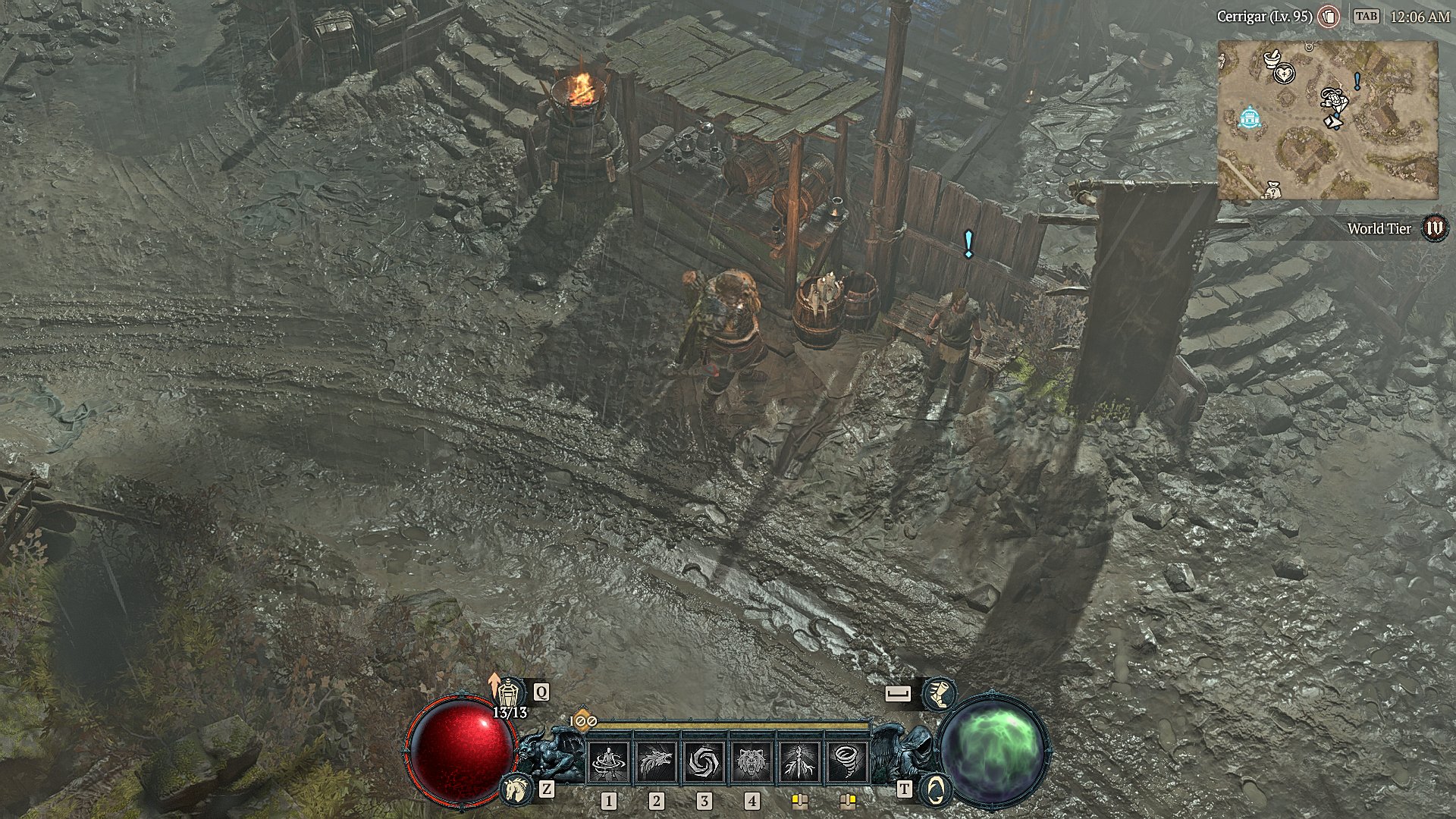
Players who know their build but lack time for the grind sometimes turn to services such as diablo 4 boosting. In that model, a helper handles the repetitive part, whether that is clearing dungeons, farming materials or progressing through tiers, so you can step in with a character closer to what you planned.
It helps most when you already understand what you are buying. If you have a build plan, a list of target aspects and an idea of the Torment tier you want to attempt, outside help speeds up execution. It helps least when you have no plan, because you may receive items that do not fit the way you want to play, and you still have to learn the rotation.
It is not a substitute for learning your class. Boss fights such as Lilith, Duriel or Andariel demand movement and timing that no handover teaches. Treat it as a shortcut for repetition, not for understanding.
Account safety and the fine print
Third-party services carry account risk. Blizzard’s terms of service apply to everyone, and the company can act against accounts that break them. Sharing a login is the riskiest element, because it creates security flags and gives strangers access to the account tied to your purchases.
If you decide to look into it anyway, protect yourself. Turn on two-factor authentication, use a password you have not used anywhere else, avoid arrangements that ask for unnecessary personal details, and read the refund terms first. Never use your main account for anything you would not be willing to lose. A free alternative is to find a regular group, since experienced friends can carry you through dungeons and explain the build choices as you go.
Mistakes that waste build and gear time
The first mistake is ignoring defence. Players chase damage numbers because they are satisfying, then wonder why a single elite pack ends the run. Check your armor, resistances and life, and keep a reliable escape skill on the bar. The second mistake is hoarding. Inventory full of maybe-upgrades costs minutes every session, and those minutes add up over a season.
The third mistake is skipping the Paragon board. Glyphs and rare nodes provide large, permanent boosts, and leaving points unspent or scattered is wasted power. Plan your path toward the glyph sockets first, then fill in the rest.
The fourth is copying a build blindly. A guide is a starting point, and you should understand why each aspect is there so you can adapt when a patch changes a number or a drop does not arrive. Treat every failed run as information rather than bad luck, and your progress will speed up without any shortcut at all.
A practical plan you can start tonight
Choose a class by playstyle, not popularity. Pick one build guide and follow it through the first twenty levels without constant tweaking. Write your gear priority list. Use Helltides and Nightmare dungeons to fill it, and revisit the list whenever a patch lands.
### If time is the main limit
Shorten each session to one clear objective, such as finishing a dungeon for a specific aspect. Group up wherever you can, and consider outside help only after weighing the risks above.
### If knowledge is the main limit
Spend an evening in the skill tree, test two or three options on training dummies or easy content, and learn why each aspect matters. That understanding makes every future hour more productive, whether you grind alone, play with friends or look for help.
The best Diablo 4 character is the one you actually enjoy playing. Get the class right, understand the build, and let gear follow.
Leave a Reply