
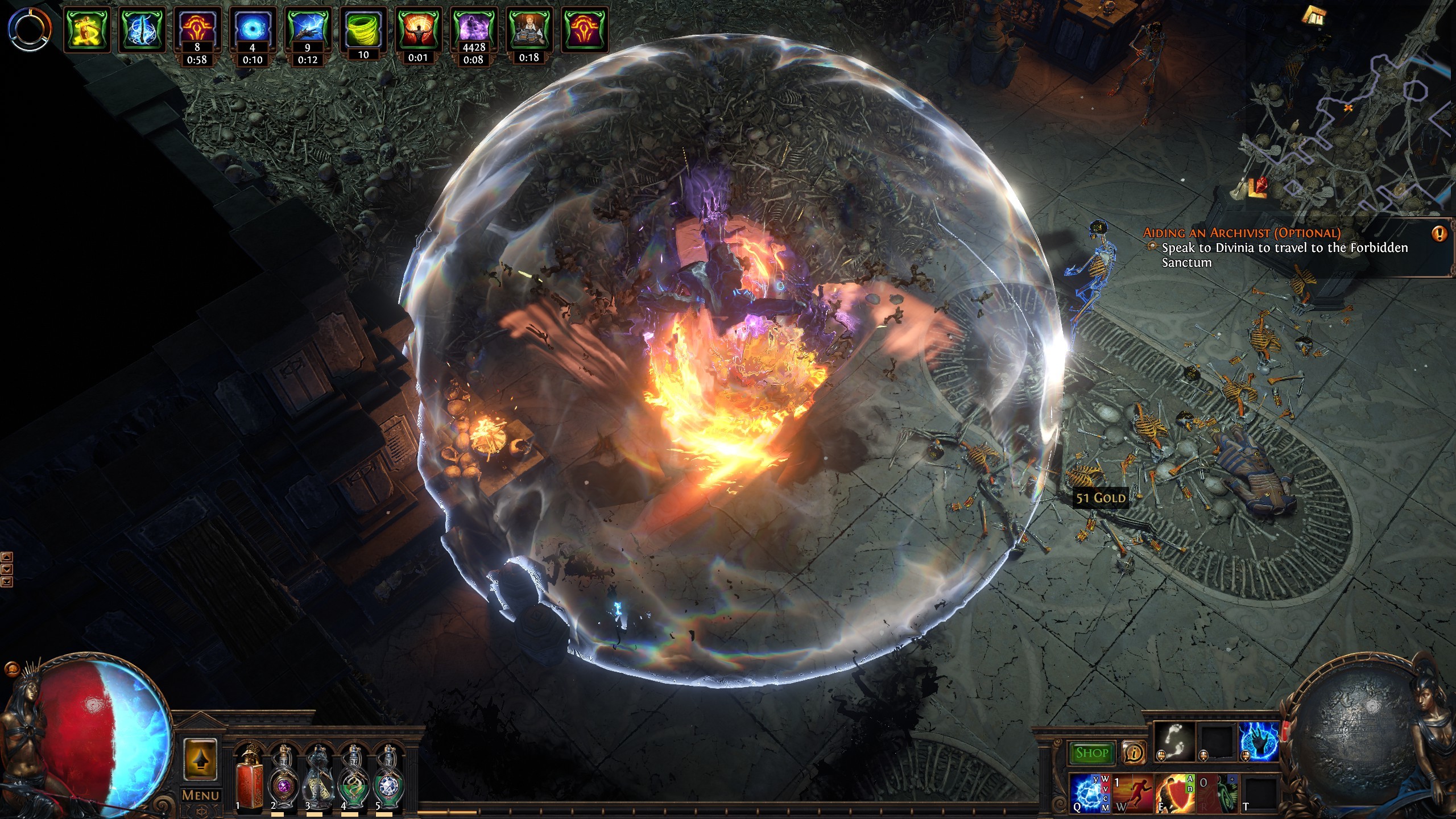
Itemization changes in :contentReference[oaicite:0]{index=0} reach far beyond simple numerical adjustments, creating ripple effects that reshape how players plan, progress, and evaluate power. Items are no longer treated as isolated upgrades that merely increase damage or survivability. Instead, they are increasingly designed to interact with combat pacing, positioning, and long-term build identity. This shift forces players to think about equipment as part of a broader system rather than a collection of independent stats. As a result, item choices influence moment-to-moment gameplay, long-term progression paths, and even how players interpret difficulty across the entire game.
From Stat Stacking to Functional Identity
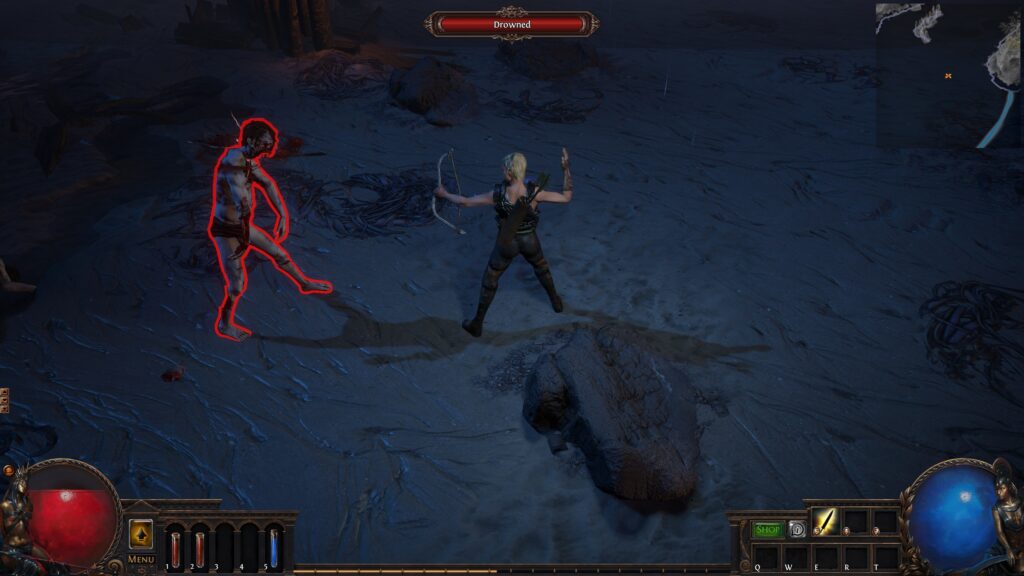
Earlier itemization models encouraged stacking efficient stats wherever possible, often resulting in gear that felt interchangeable aside from numerical differences. Path of Exile Two moves away from this approach by embedding clearer functional identity into items. Equipment now more directly influences how a character behaves in combat, affecting timing, positioning, and interaction with enemies. This makes gear selection less about chasing optimal numbers and more about reinforcing a chosen playstyle. Players must consider whether an item complements their intended approach rather than simply whether it offers higher values.
Ripple Effects on Build Planning
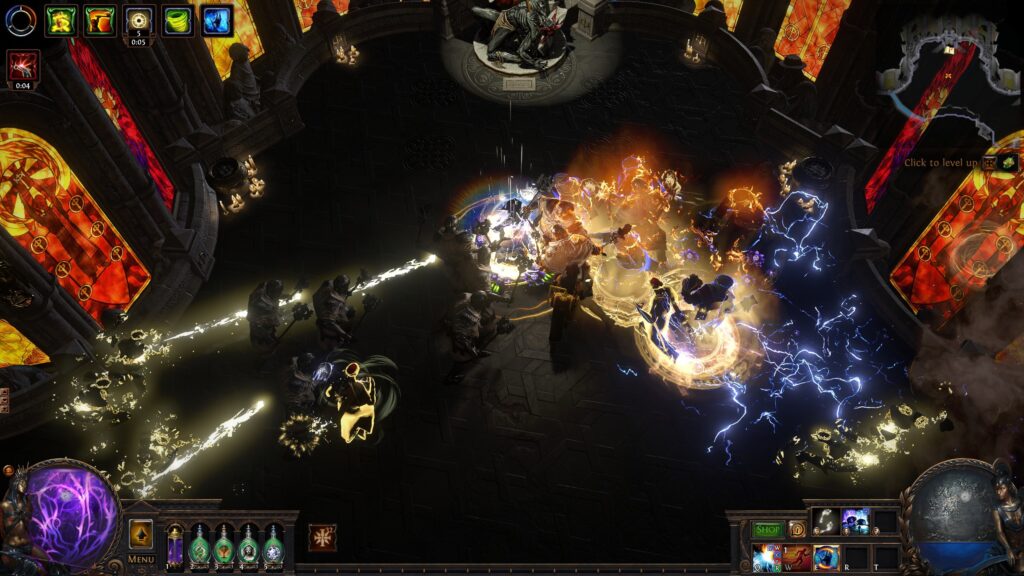
Changes in itemization significantly alter build planning from the earliest stages. Players can no longer assume that upgrades will be straightforward improvements along a single axis. Instead, each item introduces trade-offs that may require adjusting passive choices, skill usage, or defensive layering. This interconnectedness increases planning depth while also raising the cost of impulsive decisions. A poorly chosen item can subtly destabilize a build, even if it appears powerful in isolation. As a result, planning becomes more deliberate, and long-term coherence matters more than short-term gains.
Economic and Progression Consequences
Itemization changes also reshape the in-game economy and progression pacing. Items with strong functional identity retain value longer because they support specific playstyles rather than serving as temporary stat sticks. This reduces rapid obsolescence and encourages more thoughtful trading and crafting. Progression slows slightly, but it becomes more meaningful, as upgrades feel intentional rather than automatic. Players are rewarded for understanding how items fit into systems, not just for accumulating currency.
Key Ripple Effects Caused by Itemization Changes
Several notable ripple effects consistently emerge from the new itemization approach.
- Greater emphasis on item synergy over raw power
- Longer relevance lifespan for well-chosen gear
- Increased planning required before major upgrades
- Stronger connection between items and playstyle identity
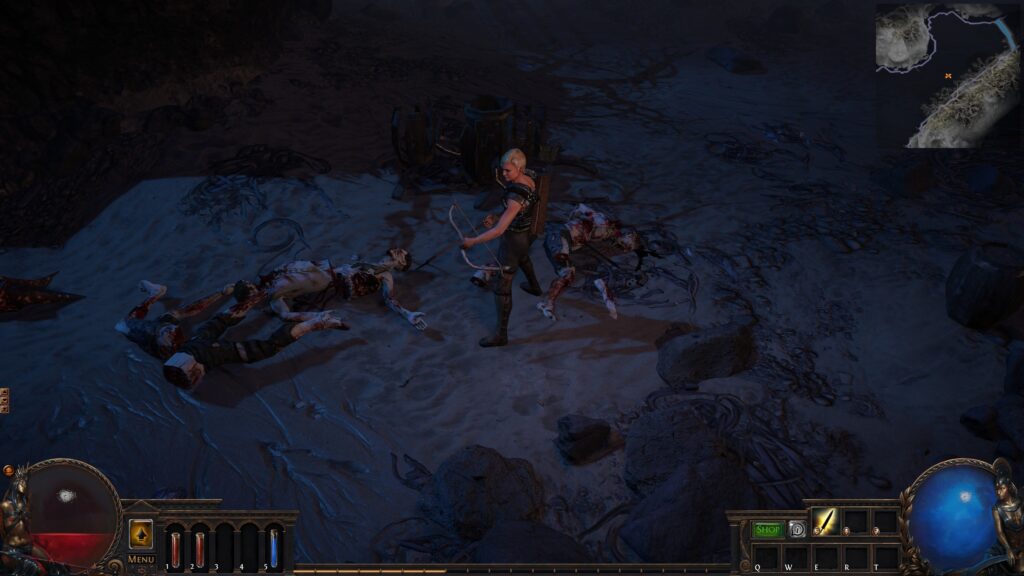
These effects collectively slow progression while deepening engagement.
Learning Curve Introduced by Systemic Gear
The systemic nature of new itemization introduces a learning curve, particularly for returning players. Habits formed around rapid replacement and stat comparison no longer apply cleanly. Players must relearn how to evaluate gear in context, which can initially feel restrictive. Over time, however, this learning process leads to stronger build coherence and fewer dead-end investments. Items become tools for expression rather than disposable upgrades.
Conclusion
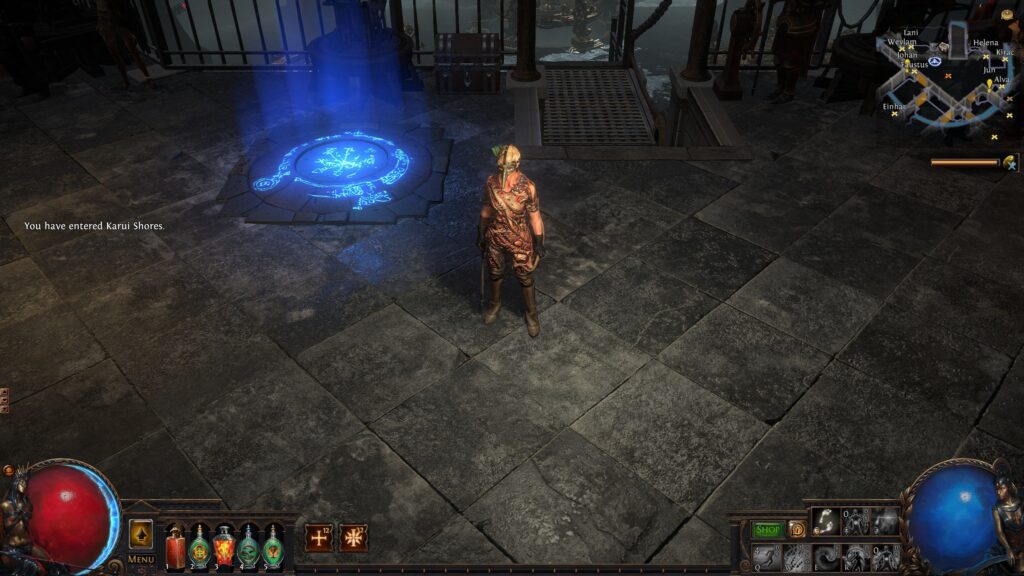
Itemization changes in Path of Exile Two create ripple effects that reshape build planning, economy, and moment-to-moment gameplay. By emphasizing functional identity and systemic interaction, the game encourages deliberate choices over automatic upgrades. These changes slow progression slightly but reward understanding and intention, redefining what meaningful power growth looks like in the long term.
Leave a Reply