The economy in Path of Exile is more than just a backdrop—it’s a living subsystem that promotes multiple styles of play. Whether you’re flying solo or working in a group, the ways you trade, craft, and interact with other players are strongly influenced by the economic design. In this article we’ll explore how the economy supports both solo players and group‑oriented players, how these two playstyles interconnect, and why the economy acts as both incentive and glue for community interaction.
The Economy as a Solo Player’s Playground
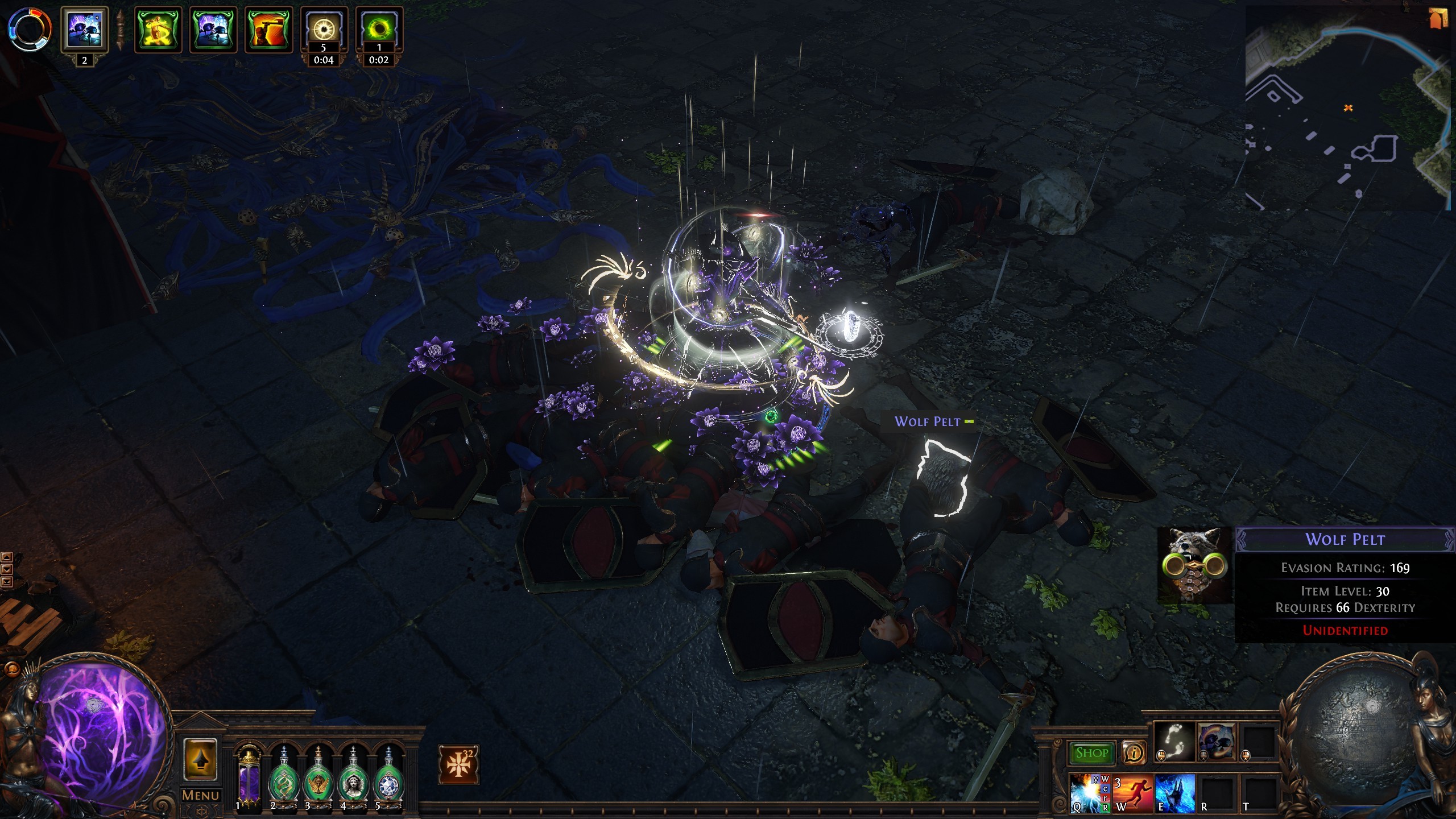
For solo players, the economy offers multiple avenues of progression without forced grouping. You can farm maps, generate currency, craft gear, and trade with other players on your own schedule. The fact that currency items double as crafting tools means you’re not just “selling gold” but actively engaging with build‑growth by converting currency into better gear.
When you’re playing solo you still benefit from the economy: your loot drops have value, your crafting decisions matter, and the marketplace allows you to exchange what you find for what you need. This keeps the solo loop engaging—you’re not isolated; you’re plugged into the broader economy. As your character advances, you’ll naturally start looking at higher tier maps or boss fights not just for loot but also for tradeable gear or currency, which feeds back into your solo progression.
The Economy as a Group‑Play Incentive
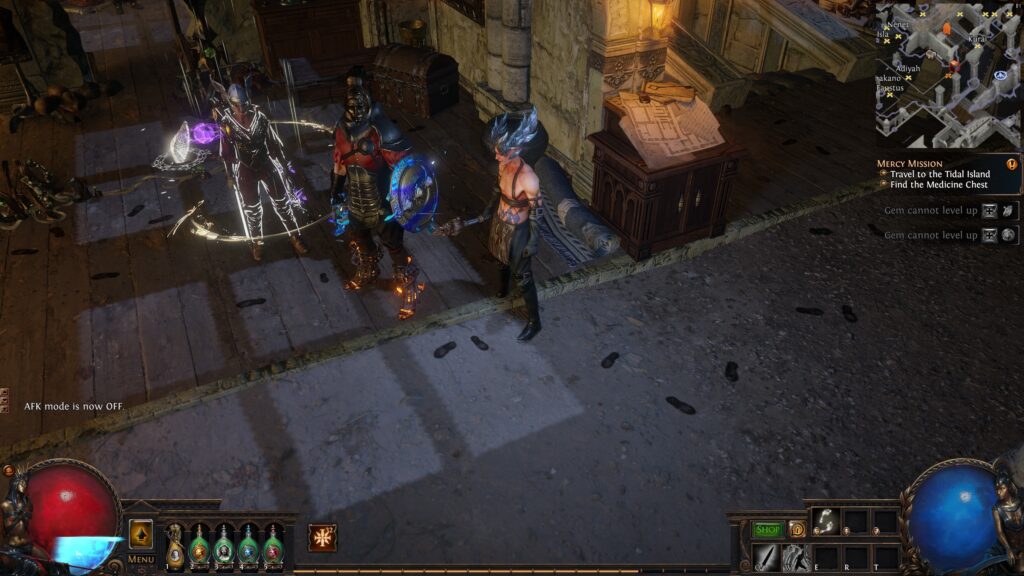
In group play, the economy becomes even richer. With friends or guildmates you can strategize who farms what, who collects certain crafting components, and trade internally to optimise each other’s builds. The shared knowledge of what currency is valuable, what mods are in demand, and what items are worth crafting becomes a social experience.
Group play also often unlocks more efficient farming—higher monster density, tougher content, greater drop rates. That means the returns from those group runs feed directly into the economy: more loot, more crafting currency, more trade options. That increased flow of resources encourages players to stick together and form alliances, which deepens the social fabric of the game and reinforces the economy as a tool of cooperation, not just competition.
The Bridge Between Solo and Group Gameplay
A key strength of Path of Exile’s economy is how it naturally bridges solo and group play. A player might begin solo, accumulate currency and gear, then join a guild or group to scale up. Those group runs then yield items and currency that can be traded later, which can support solo progression again. This cycle keeps both styles viable and interconnected.
The marketplace acts as the pivot point of this bridge. Whether you’re buying from other players, selling your loot, or crafting for trade, you’re participating in a shared system. That means your solo activity has value in the group ecosystem, and your group activity has value in the solo ecosystem. The economy ties them together rather than separating them.
Economic Feedback Loops That Encourage Engagement
Several feedback loops make the economy especially effective. For example: you find crafting currency → you use it to craft gear → you sell gear or use it to clear higher tier content → you get better loot → you gain more currency. This loop is accessible to solo players, but when done in a group the scale and speed increase, which makes group runs tempting even for primarily solo players.
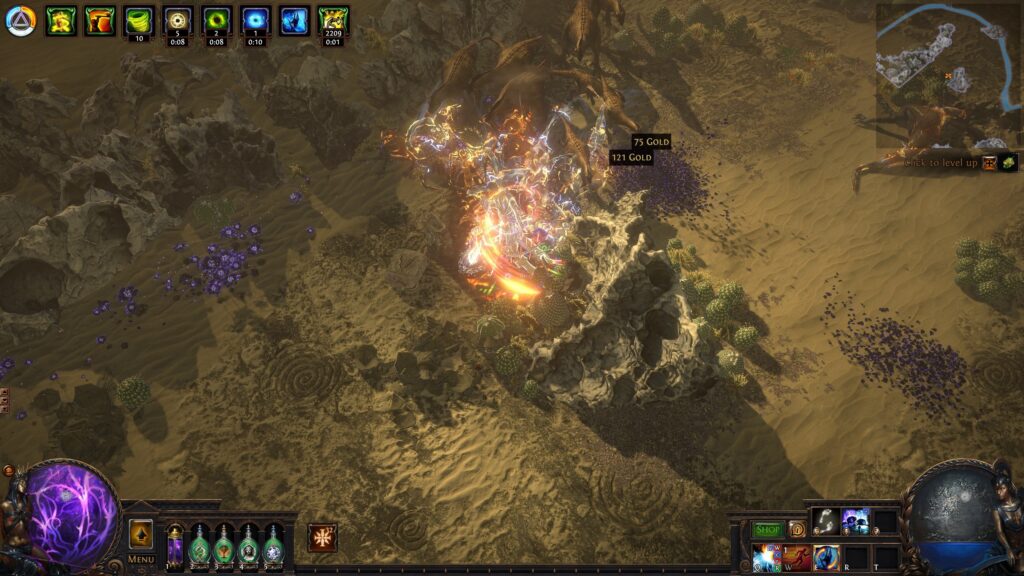
Another loop involves community engagement: you learn what’s valuable, you trade with others, you build reputation or relationships, and you gain access to optimised gear or strategies. This kind of social‑economic loop encourages players to stay, not just for the loot but for the people and the trading relationships they build.
Why the Economy Matters for Long‑Term Player Retention
Because the economy rewards both solo and group activity, it gives players flexibility in how they engage with the game. You’re not forced into a playstyle you don’t enjoy. If you like solo play, the economy gives you meaningful goals. If you prefer group play, the economy gives you shared goals. This adaptability helps with long‑term retention because players can shift playstyles over time as their interests change.
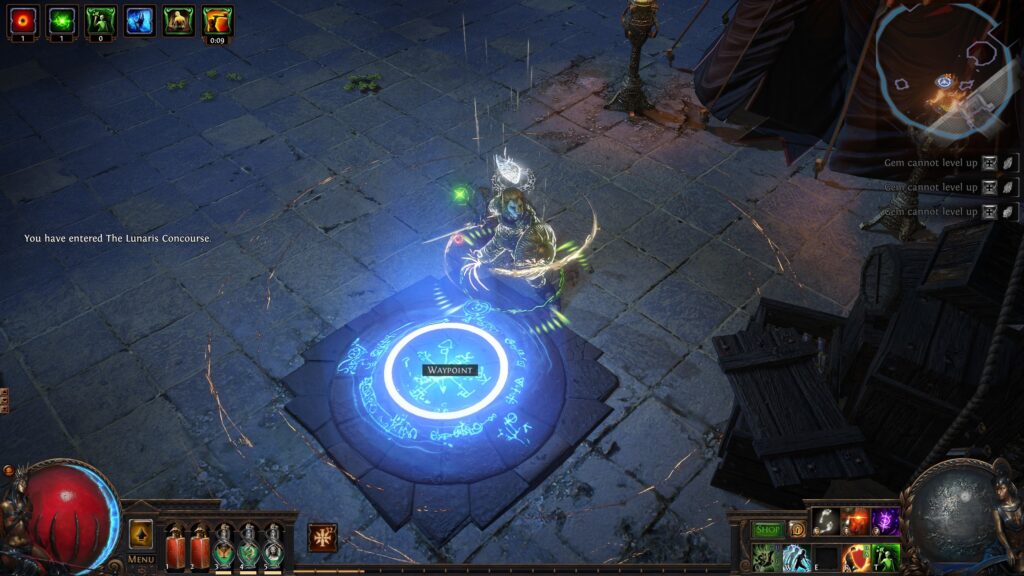
Furthermore, the trade and crafting systems give long‑term purpose. Even after you’re highly geared and experienced, you still find new currency types, craft new builds, engage with trade trends, and help others. That persistent economic loop gives the game longevity. The fact that solo and group loops feed into each other means players seldom feel locked out or forced into unwanted playstyles simply to progress.
Conclusion: The Economy as a Multi‑Modal Engine
In summary, Path of Exile’s economy is carefully crafted to support and connect both solo and group play. It empowers solo players with meaningful progression options while simultaneously encouraging group experiences without mandating them. The interlock between trading, crafting, and shared progression means the economy functions as a multi‑modal engine—fueling solo goals, group ambitions, and community engagement. Ultimately it’s one of the factors that helps the game feel alive, dynamic and inclusive across playstyles.
Leave a Reply